
What Is Green Burial in Hong Kong? A Gentle Guide to Natural Farewells
- Jul 22
- 4 min read
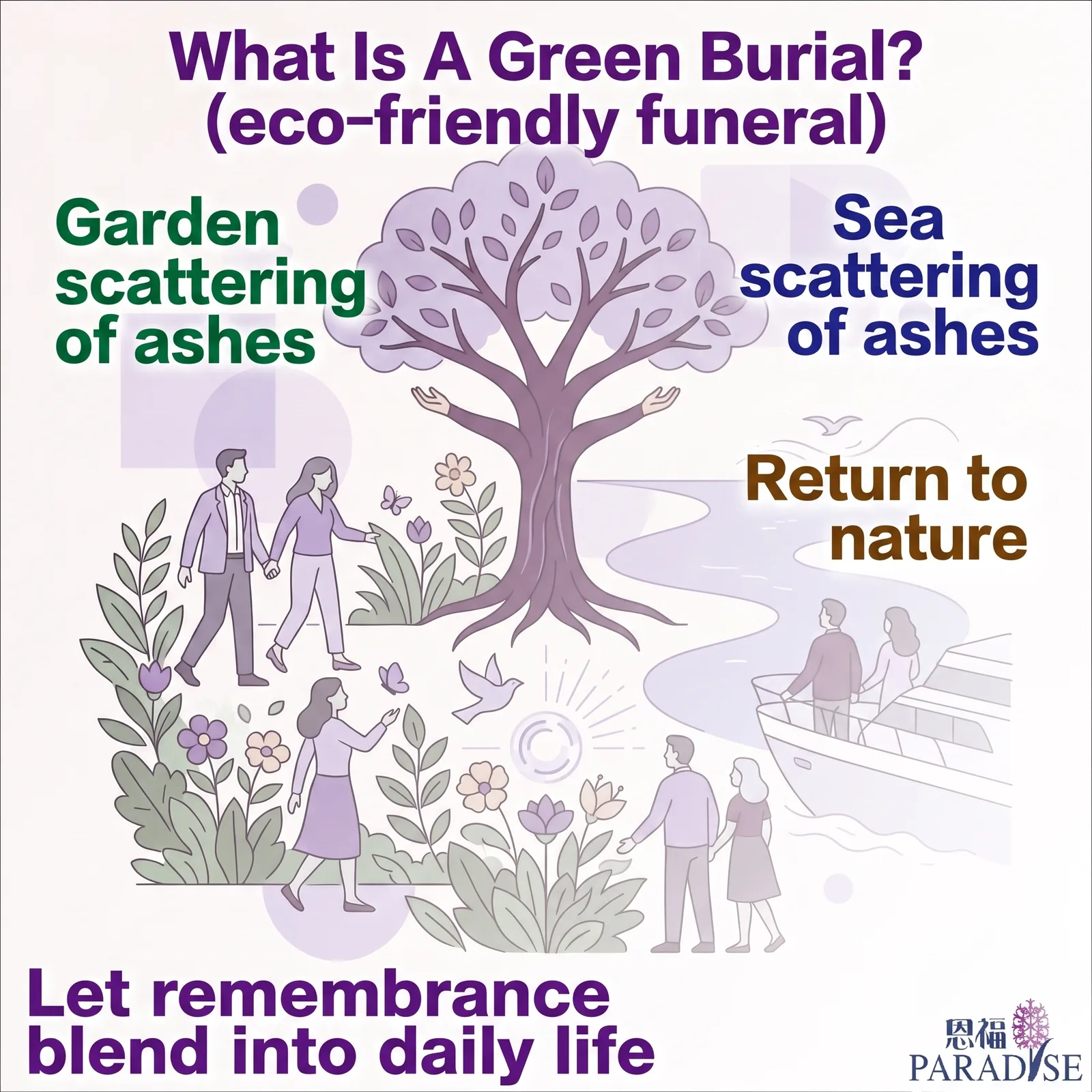
Let farewells return to nature, let remembrance continue in the heart
When first hearing "green burial," many people's initial reaction is: "Would this form of burial be too simple? Would it be disrespectful?"
In fact, green burial is not about saving costs, nor is it a perfunctory approach. Rather, it is a way of burial that returns to nature and centers on sincere intention. This article does not aim to change traditions, but hopes to gently and clearly walk you through step by step: what green burial is, and why more and more people are coming to understand and accept it.
Farewell rituals may evolve with the times, but no matter how the form changes, the most important thing remains unchanged — that is the family's sincere intention and respect for the departed, and the relationships among family members.
Definition and Concept of Green Burial
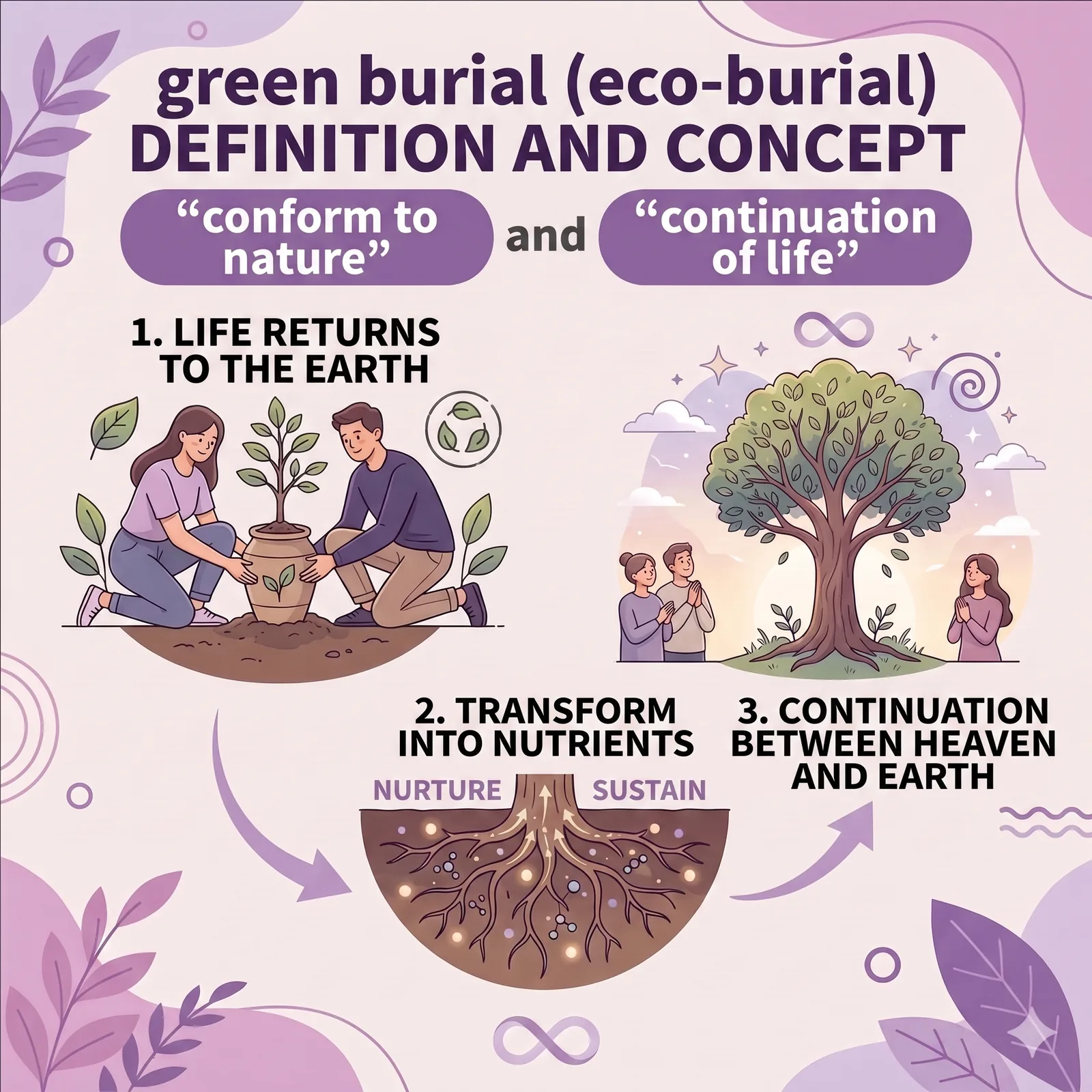
"Green burial" is a more environmentally friendly, nature-returning way of burial. What it emphasizes is not "the simpler the better," but "following nature" and "continuity of life." Cremated remains are placed in a natural environment, symbolizing life returning to the earth, transforming into nutrients, continuing in another way between heaven and earth.
The two common main forms include:
Memorial Garden:
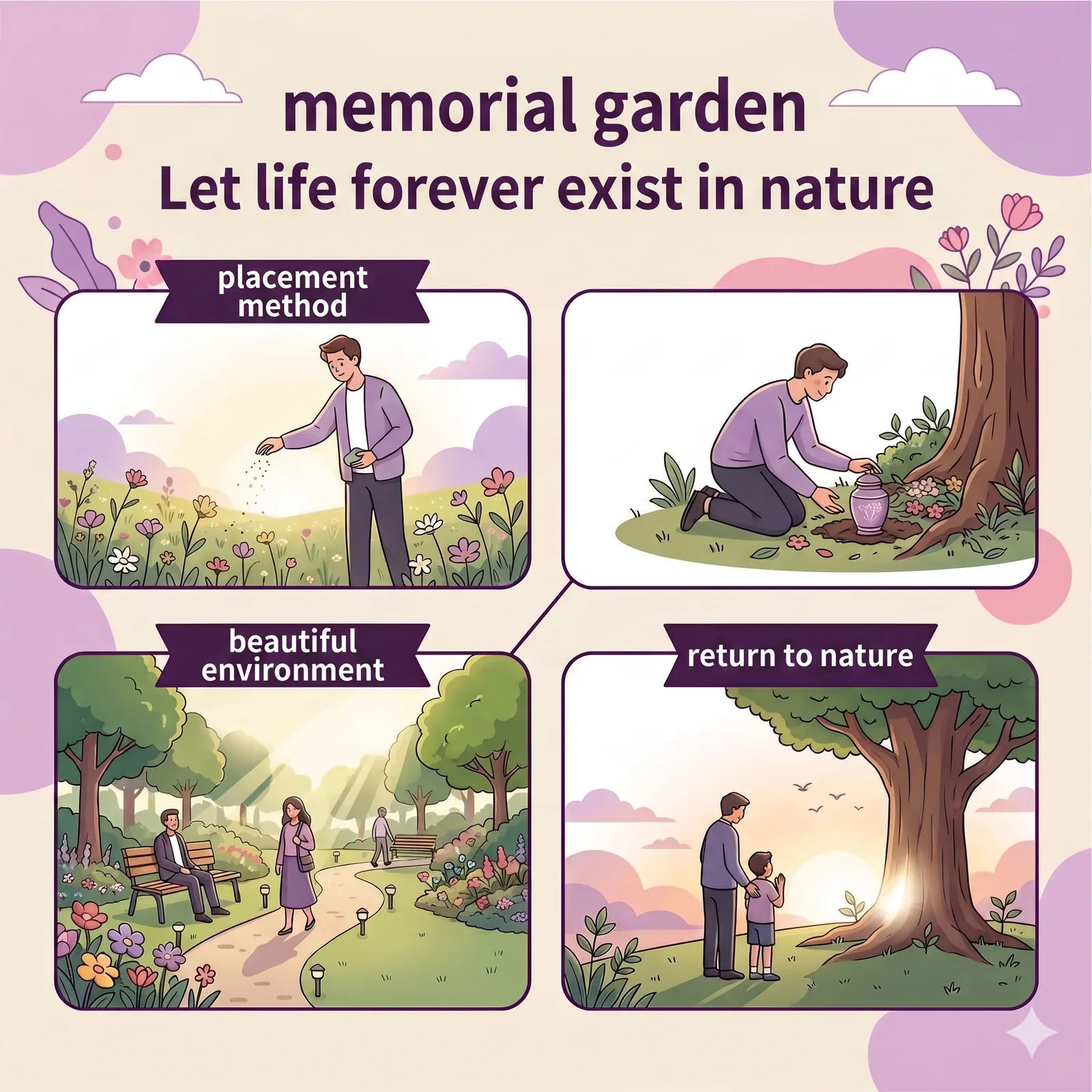
Cremated remains are scattered or placed in a beautiful garden, accompanied by flowers and plants, signifying eternal rest in nature.
Sea Scattering:
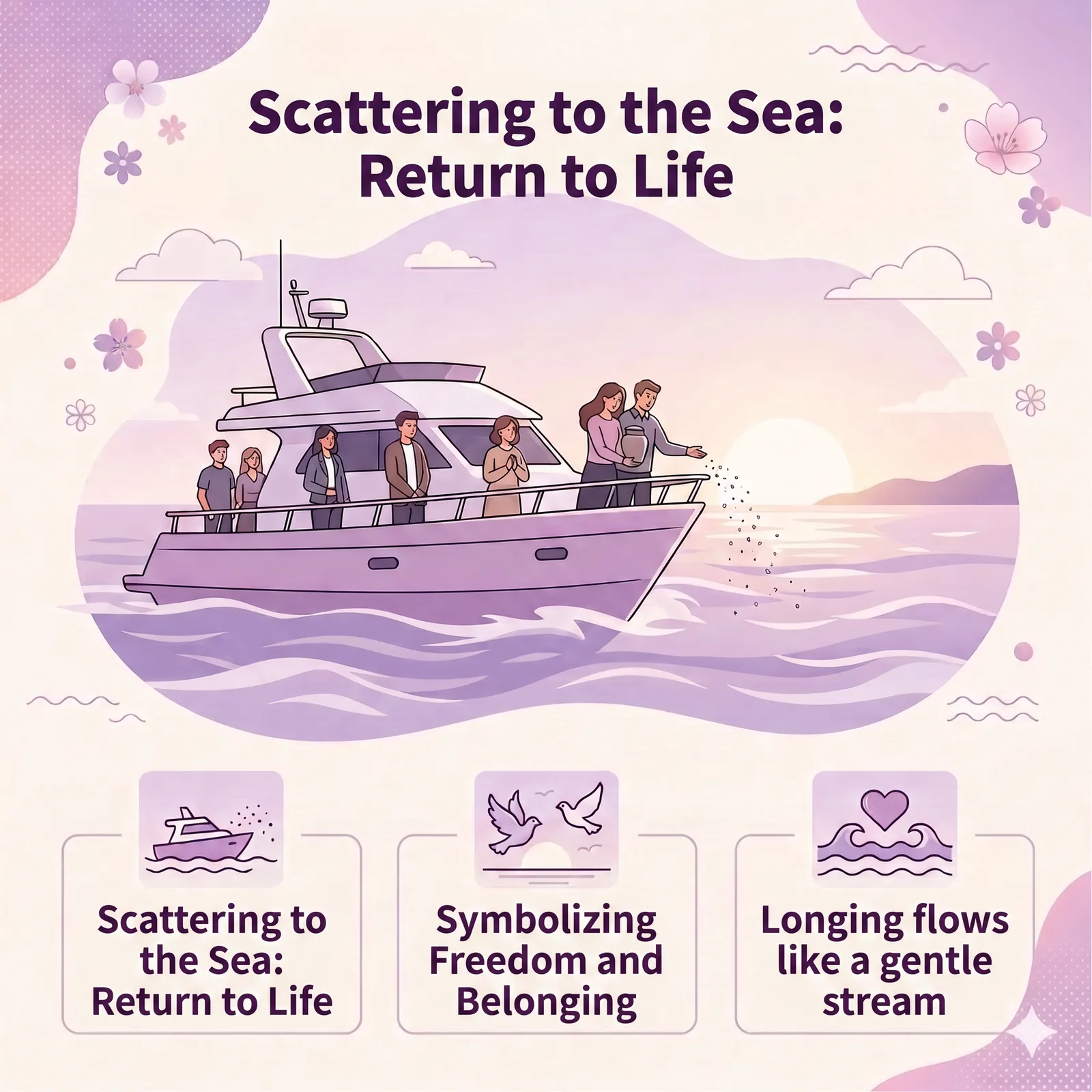
Cremated remains are scattered into the sea, symbolizing freedom and final resting place, letting remembrance flow with the tides, enduring gently.
These ways all contain deep affection; they are not rash or neglectful of propriety, but rather a more peaceful, reconciled way of saying goodbye.
Why Have More People Been Choosing Green Burial in Recent Years?
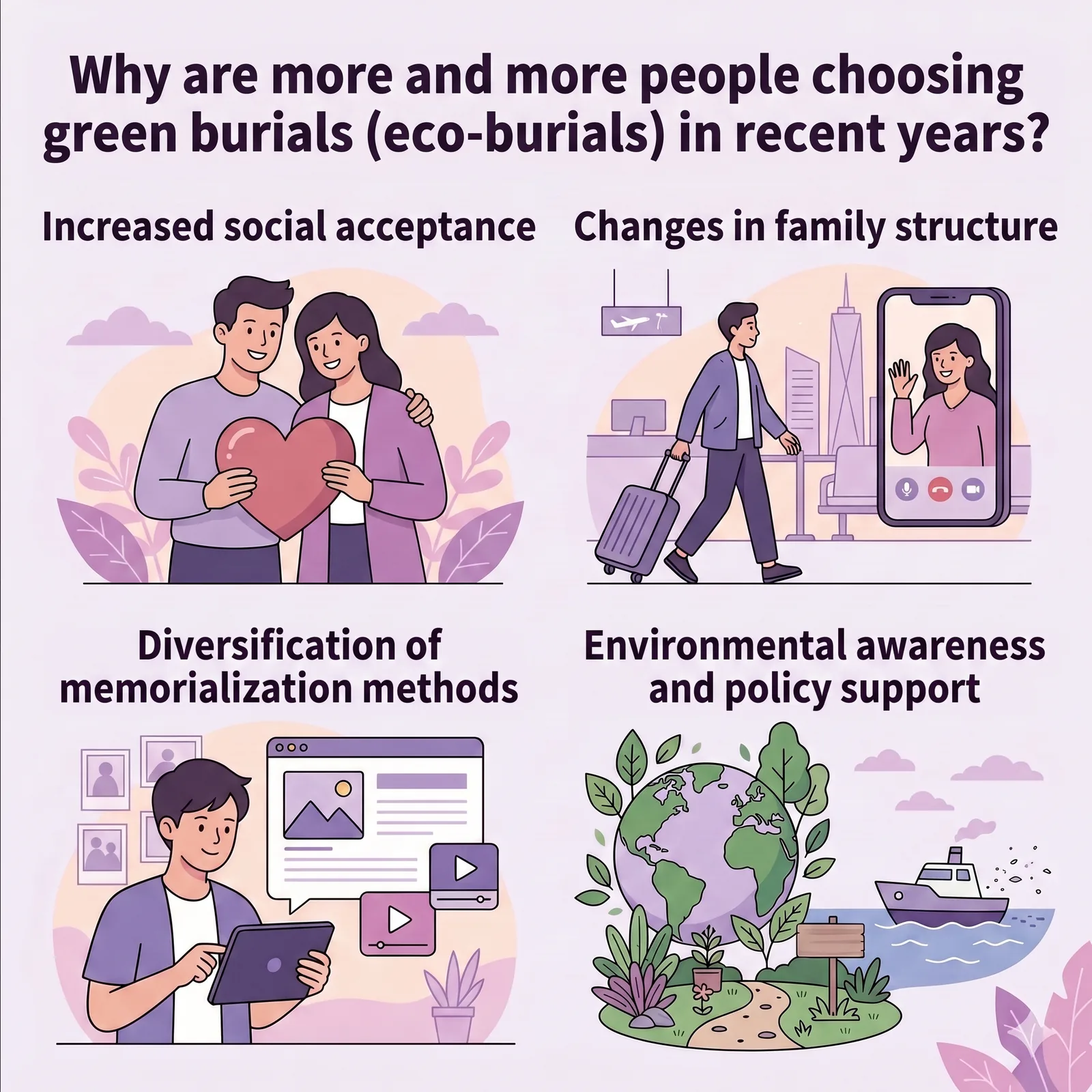
According to relevant government data, the number of people choosing green burial has continued to rise in recent years. The main reasons include:
Increased Social Acceptance: More and more people understand that "simplifying funeral arrangements" does not equal "not taking it seriously"; the key lies in sincere intention, not in how complex the ritual is.
Changing Family Structures: Many children need to work or settle elsewhere, making long-term maintenance of traditional grave sites and regular grave-sweeping harder to arrange.
Diversified Memorial Methods: Remembering the departed does not necessarily rely on a physical tombstone; it can also be expressed through photos, videos, or online memorial platforms.
Environmental Awareness and Policy Support: As people place increasing importance on environmental protection, coupled with the government promoting green burial and providing free services such as memorial gardens and sea scattering, the public has gradually become more at ease and familiar with this arrangement.
Easier for Families to Bear: Compared to niche interment and earth burial, green burial is also relatively lighter in actual burden. Private niches and land prices in Hong Kong are generally high, while public niches or cemeteries also have long waiting times. Green burial requires no purchase of niche or land; one only needs to book a date and session at a memorial garden or for sea scattering. This both saves costs and allows faster arrangement of the departed's affairs, letting the family focus on the farewell and remembrance itself.
Four Common Reasons: Why Choose Green Burial?
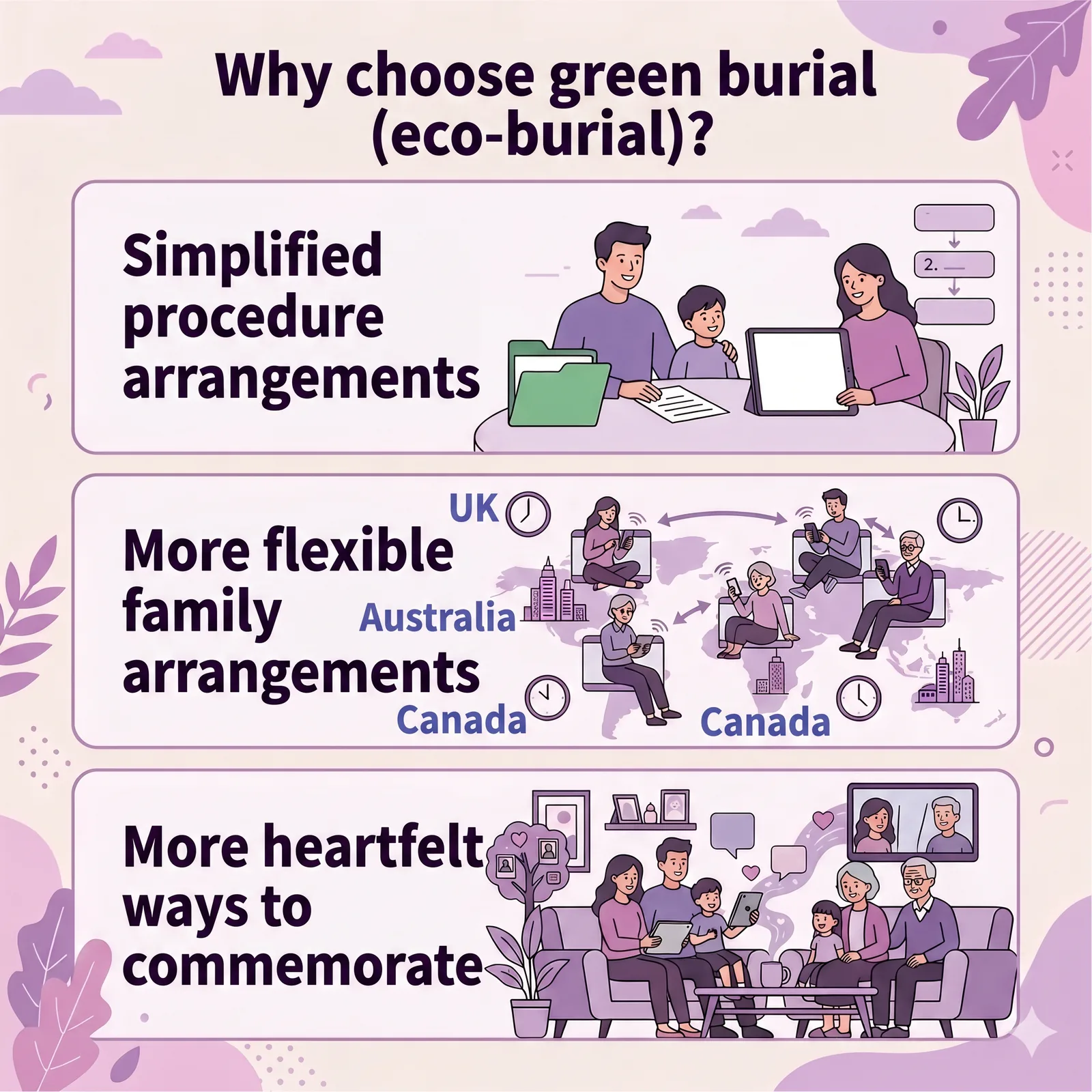
Simplified procedural arrangements
Many families wish for the deceased's final arrangements to be clear yet not cumbersome—honoring the deceased's wishes without exhausting the family with excessive procedures and long waits. Green funerals focus on retaining appropriate simplicity within solemnity; "simplified" does not mean "casual," but is a considerate choice that shows care for the family while keeping one's heartfelt intentions intact.
Relatively lighter financial burden
Green funerals do not require purchasing a niche or land; one only needs to book a date and time at a memorial garden or for sea scattering to handle the deceased's affairs. This not only reduces the family's financial burden in handling after-death matters, but also allows the family to bid farewell and remember with a more peaceful heart, returning the focus to sincere remembrance.
More flexible family arrangements
Since descendants often live scattered across different regions, long-term grave maintenance and timely tomb-sweeping can sometimes become difficult. Choosing a green funeral alleviates this pressure, freeing the family from geographical constraints so they can still remember the deceased at their own pace in a fitting way.
More meaningful memorial methods
Remembrance need not rely on a physical monument or a fixed place. Whether through online memorials, family gatherings, or the little memories of daily life, all are sincere remembrance of the deceased. Remembrance can be woven into everyday life, letting the deceased's love continue to remain in every family.
Key points to remember
A green funeral is not about canceling ceremonies, but expressing reluctance to part and remembrance in a way closer to nature. A change in form does not lessen respect for the deceased; rather, it lets love and remembrance continue in daily life.
True respect lies not in ceremonial complexity, but in sincerity—a heart of remembrance and gratitude. Whether choosing cemetery burial, a memorial garden, or sea scattering, as long as it stems from love and family consensus, it is a solemn and beautiful way to say goodbye.
For more information, please call Paradise Funeral Services for enquiries.
FAQ
If there is no tombstone, where do we go to pay respects afterwards?
The focus of a green funeral is "remembrance not confined to a single place." On death anniversaries and birthdays, the family can go together to a memorial garden, the seaside, or gather at home or on an online platform, remembering through offerings of flowers, lighting candles, praying, or sharing a meal of the deceased's favorite dishes.
Without a place to "sweep tombs," does that mean we no longer need to pay respects at the grave?
It is not "not paying respects," but commemorating in another form. The family can agree on a day each year to gather at a memorial garden, the seaside, or at home, sharing memories of the deceased—an act that may be more meaningful than a trip to the cemetery.
Will a green funeral be very desolate and rushed?
No. The farewell ceremony can still be arranged with warmth—for example, playing the deceased's favorite music, family members taking turns to speak, presenting a bouquet, followed by staff assisting with the ash scattering. The whole process can be quiet and solemn.
Will the costs be expensive?
Compared to purchasing a burial plot or long-term niche placement, the basic costs of most green funerals are more economical; moreover, some ash scattering services are provided free by the government, helping to ease the family's financial pressure.

Comments